Procedure

Arthroscopic Surgeries

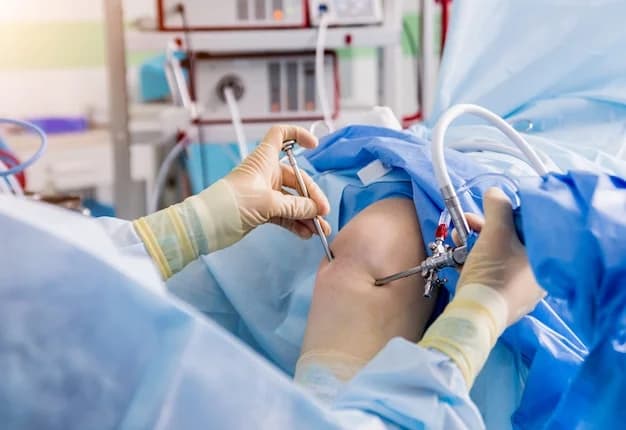
Arthroscopy is a minimally invasive surgical procedure that uses a small camera and specialized instruments to diagnose and treat various joint-related conditions. The procedure involves smaller incisions and less disruption to surrounding tissue than traditional open surgery, resulting in less pain, fewer complications, and faster recovery times. Arthroscopic surgery is primarily performed on an outpatient basis, allowing most patients to return home the same day.

Minimally Invasive Faster Recovery Day Surgery
95%+
Success Rate
30-60 min
Procedure Time
Same Day
Hospital Stay
Book a Consultation
Arthroscopic Surgeries at Dr Sushil Rangdal
At a Glance

Quick facts about this procedure.

Quick Facts
AnaesthesiaLocal or General
Procedure Duration30-60 minutes
Hospital StayDay procedure
Return to Work1-6 weeks
Success RateSuccess rates ranging from 82-97% for most procedures
Candidacy

Who needs arthroscopic surgeries?

Orthopedic surgeons use arthroscopy to diagnose and treat a wide range of joint injuries and conditions that might be causing joint pain, while causing minimal trauma.
Ideal candidates include patients with meniscus tears, ligament injuries, cartilage damage, and other joint-related disorders requiring surgical intervention.
Transparency

What you should know before this procedure.

We believe in honest, upfront disclosure so you can make an informed decision.

Success Rate

  • Success rates ranging from 82-97% for most procedures

Possible Risks

  • Infection
  • Blood clots
  • Nerve damage

Side Effects

  • Temporary swelling
  • Mild pain
  • Joint stiffness
Procedure

How arthroscopic surgeries works.

A step-by-step look at what happens during this procedure.

1

Anesthesia Administration

Local or general anesthesia is administered for patient comfort during the procedure

2

Small Incision Creation

Several small incisions (portals) are made around the joint area

3

Arthroscope Insertion

A small camera (arthroscope) is inserted to visualize the joint interior

4

Joint Examination

The surgeon examines joint structures and identifies any damage or abnormalities

5

Surgical Repair

Specialized instruments are used through additional incisions to repair damaged tissue

Timelines

Duration & timelines.

Surgery Day

Day 0

Initial Recovery

Days 1-3

Wound Healing

Week 1-2

Physical Therapy Begins

Week 2-3

Return to Light Activities

Week 4-6

Full Activity Resume

Week 6-12

Our Approach

How we handle this procedure.

A structured, patient-first approach from first consultation to full recovery.

Step 01

Comprehensive Pre-operative Assessment

Dr Sushil Rangdal conducts thorough evaluation including imaging studies and medical history review

Step 02

Advanced Robotic Techniques

Utilizing state-of-the-art robotic orthopedic surgical techniques for enhanced precision and outcomes

Step 03

Minimally Invasive Approach

Dr Rangdal employs the latest arthroscopic techniques to minimize tissue damage and accelerate recovery

Step 04

Personalized Recovery Planning

Customized post-operative care and rehabilitation programs tailored to each patient's specific needs

Recovery

Recovery & aftercare.

What to expect at each stage of your recovery journey.

Immediate RecoveryEarly RecoveryAdvanced Recovery

Immediate Recovery

First 24-48 hours focus on pain management, wound care, and initial mobilization with protective weight bearing

Early Recovery

Weeks 1-2 involve gentle range of motion exercises, gradual increase in activities, and physical therapy initiation

Advanced Recovery

Weeks 2-6 include progressive strengthening exercises, return to daily activities, and preparation for full function

Outcomes

Success & outcomes.

Pain Relief

Significant reduction in joint pain and improved comfort during daily activities

Improved Mobility

Enhanced range of motion and joint function with better overall movement quality

Faster Healing

Quicker recovery compared to traditional open surgery with minimal scarring

Return to Activities

Ability to resume sports, work, and recreational activities with restored joint function

Myths vs Facts

Common misconceptions.

Let's clear up some of the most common myths about arthroscopic surgeries.

MythArthroscopy is major surgery with long recovery
MythAll joint problems can be fixed arthroscopically
MythArthroscopy always prevents future joint problems

What happens if arthroscopic surgeries is delayed?

  • Untreated joint problems can lead to progressive deterioration, chronic pain, and loss of function. Without intervention, conditions like meniscus tears or cartilage damage may worsen, potentially requiring more extensive surgical procedures or resulting in permanent joint dysfunction and arthritis.
Related Conditions

Conditions we treat.

FAQ

About arthroscopic surgeries.

How long does arthroscopic surgery take?
When can I return to work after arthroscopy?
Will I need physical therapy after surgery?
What are the advantages over open surgery?
Can arthroscopic surgery be repeated if needed?

Ready to take the first step?

Get a personalised assessment from an experienced specialist. Understand your options, ask your questions, and decide with confidence.
📍 Sunrise Global Super Speciality Hospital, ITI Corner, Sunrise Global Superspeciality Hospital, VIP Rd, Industrial Estate, Vishnu Nagar, Nanded🕐 Mon–Sat: 9:00 AM – 8:00 PM