Treated by Dr Sushil Rangdal
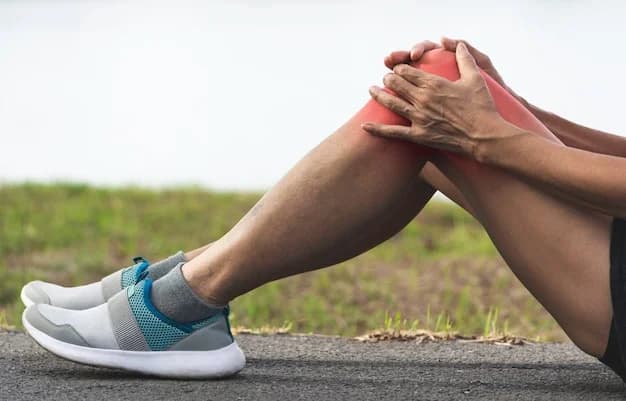
MCL injury affects the medial collateral ligament on the inner side of the knee, commonly occurring in Nanded athletes and active individuals. This ligament provides knee stability and prevents excessive inward movement. Dr Sushil Rangdal offers advanced robotic orthopedic treatments for MCL injuries at his specialized clinic.
Mild sprain with less than 10% of ligament fibers torn. The knee remains stable with minimal pain and tenderness. Usually heals with conservative treatment within 1-3 weeks.
Moderate partial tear affecting the superficial part of the MCL. Causes significant pain, swelling, and mild instability. Recovery typically takes 4-6 weeks with proper treatment.
Complete rupture of both superficial and deep parts of the MCL. Results in severe pain, instability, and often accompanies other knee injuries like ACL tears.
Multiple factors can contribute to the development and progression of this condition.
MCL Injury develops gradually. Recognising symptoms early gives you more treatment options.
From conservative to surgical — we always start with the least invasive option first.
A structured, patient-first approach from first visit to full recovery.
Dr Sushil Rangdal performs detailed physical examination including valgus stress testing, reviews injury mechanism, and orders advanced imaging like MRI to determine exact grade and extent of MCL damage.
Based on injury grade, patient age, activity level, and associated injuries, Dr Rangdal develops customized treatment protocols ranging from conservative management to advanced robotic surgical intervention.
Utilizing state-of-the-art robotic orthopedic technology, Dr Rangdal provides precise surgical reconstruction when needed, or supervises comprehensive non-surgical rehabilitation programs for optimal outcomes.
Regular follow-up appointments with Dr Rangdal ensure proper healing progression, timely advancement through rehabilitation phases, and safe return to sports or activities with reduced re-injury risk.
What to expect at each phase of recovery.
Focus on pain and swelling control with rest, ice, compression, and elevation. Protected weight bearing with crutches if needed. Gentle range of motion exercises as tolerated.
Progressive strengthening exercises, continued bracing for stability, and gradual increase in activity levels. Physical therapy focuses on restoring normal knee mechanics and muscle strength.
Sport-specific training, advanced proprioceptive exercises, and functional movement patterns. Gradual return to full activities with ongoing monitoring for stability and confidence.
Over 90% of patients achieve full knee stability and return to previous activity levels without ongoing symptoms or limitations with appropriate treatment.
Comprehensive rehabilitation and proper bracing significantly decrease the likelihood of future MCL injuries and associated knee problems.
Proper healing and rehabilitation restore normal knee alignment and movement patterns, preventing compensatory injuries to other knee structures.
Early appropriate treatment prevents development of chronic instability and reduces risk of future degenerative knee osteoarthritis.
Untreated MCL injuries can lead to chronic knee instability, making patients susceptible to recurrent injuries and degenerative osteoarthritis. The knee may develop compensatory movement patterns that stress other ligaments and cartilage. Progressive joint damage and persistent pain can significantly limit daily activities and sports participation over time.
Seek immediate medical attention if you experience severe knee pain, inability to bear weight, or obvious knee deformity after injury. Early consultation within 24-48 hours is recommended for any suspected MCL injury to prevent complications and ensure optimal healing. Dr Sushil Rangdal provides expert evaluation and treatment planning for all grades of MCL injuries.
Early treatment means more options and better outcomes. Book a consultation to understand your condition and explore the right path forward.