Treated by Dr Sushil Rangdal
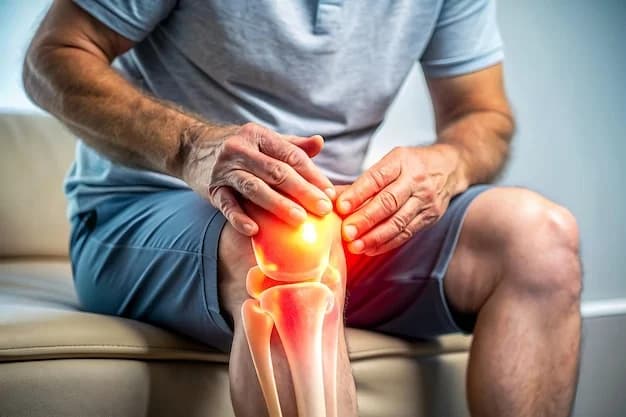
A PCL tear in Nanded affects the posterior cruciate ligament, the strongest ligament in your knee that prevents backward movement of the shin bone. PCL injuries make up less than 20% of all knee ligament injuries and require significant force to occur. Dr Sushil Rangdal provides comprehensive PCL tear treatment using advanced robotic orthopedic techniques.
A partial tear is present in the ligament with minimal instability and good healing potential with conservative treatment.
There's a partial tear and the ligament feels loose with moderate instability that may require surgical intervention.
The ligament is completely torn and the knee is unstable requiring immediate surgical reconstruction for optimal outcomes.
Multiple factors can contribute to the development and progression of this condition.
PCL Tear develops gradually. Recognising symptoms early gives you more treatment options.
From conservative to surgical — we always start with the least invasive option first.
A structured, patient-first approach from first visit to full recovery.
Dr Sushil Rangdal performs detailed physical examination including posterior drawer test and advanced imaging studies to accurately grade your PCL tear and identify any associated injuries.
Based on tear severity, activity level, and concurrent injuries, Dr Sushil Rangdal develops an individualized treatment plan ranging from conservative management to advanced robotic reconstruction.
When surgery is indicated, Dr Sushil Rangdal utilizes state-of-the-art robotic orthopedic surgery for precise PCL reconstruction with optimal graft placement and minimal tissue disruption.
Dr Sushil Rangdal oversees a carefully structured rehabilitation program with slower progression than ACL rehab, focusing on quadriceps strengthening and posterior stability restoration.
What to expect at each phase of recovery.
Protection phase with bracing, controlled motion, and early quadriceps activation. Focus on wound healing and reducing inflammation while preventing posterior sag of tibia.
Gradual increase in range of motion and strength training. Progressive weight-bearing activities and functional exercises while monitoring graft healing and stability.
After surgery, it may take you 6-12 months to regain full strength and movement in your knee. You should be able to return to your normal activities, including sports, within nine months to a year.
Successful PCL reconstruction restores posterior stability and prevents abnormal backward movement of the tibia, allowing for confident weight-bearing activities.
Patients experience significant reduction in knee pain and improved functional capacity for daily activities, sports, and occupational demands.
Early appropriate treatment helps prevent the development of degenerative changes and arthritis that commonly occur with untreated PCL tears.
With proper rehabilitation, most patients can return to their previous activity level including high-demand sports with restored confidence and stability.
Degenerative arthritis was observed in 80% of the patients after nonoperative treatment. Nonoperative treatment of grade I and II isolated PCL injuries have been associated with functional limitation and early degenerative arthritis. Untreated PCL tears can lead to chronic instability, progressive cartilage damage, and significant activity limitations.
You should contact your healthcare provider if you have pain or swelling, you feel like your knee is unstable, or you have severe pain or swelling in your knee. Immediate medical attention is essential if you experience numbness, color changes, or inability to bear weight after a knee injury.
Early treatment means more options and better outcomes. Book a consultation to understand your condition and explore the right path forward.