Procedure

MCL Repair & Reconstruction

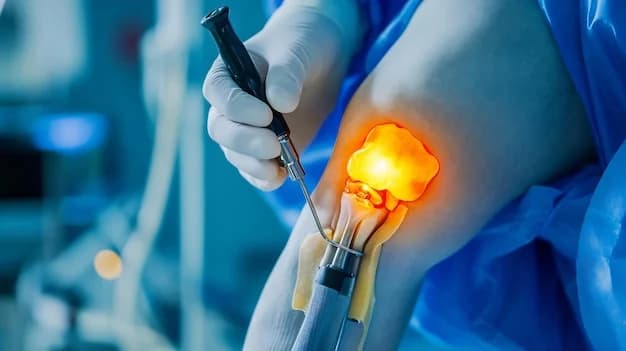
MCL Repair & Reconstruction is an advanced surgical procedure to restore the medial collateral ligament on the inner side of the knee. Performed using minimally invasive techniques, this procedure involves either repairing the torn ligament with sutures or reconstructing it using a tendon graft. Dr. Sushil Rangdal's robotic-assisted approach ensures precise graft placement and optimal healing for athletes and active individuals with grade III MCL tears or failed conservative treatment.

Minimally Invasive Robotic Precision Fast Recovery
95%+
Success Rate
60-90 mins
Procedure Time
Same Day
Discharge
Book a Consultation
MCL Repair & Reconstruction at Dr Sushil Rangdal
At a Glance

Quick facts about this procedure.

Quick Facts
AnaesthesiaGeneral anaesthesia
Procedure Duration60-90 minutes
Hospital StayDay procedure
Return to Work3-4 months
Success Rate95% success rate with robotic assistance
Candidacy

Who needs mcl repair & reconstruction?

Ideal candidates include athletes with grade III MCL tears, patients with chronic MCL instability, or those who have failed conservative treatment.
This procedure is particularly beneficial for individuals requiring return to high-level sports or activities.
Transparency

What you should know before this procedure.

We believe in honest, upfront disclosure so you can make an informed decision.

Success Rate

  • 95% success rate with robotic assistance

Possible Risks

  • Infection at surgical site
  • Knee stiffness
  • Graft failure

Side Effects

  • Temporary swelling
  • Limited mobility initially
  • Mild discomfort
Procedure

How mcl repair & reconstruction works.

A step-by-step look at what happens during this procedure.

1

Anesthesia Administration

General anesthesia is administered for patient comfort during the procedure

2

Arthroscopic Assessment

Small incisions are made and arthroscope inserted to evaluate the knee joint and surrounding structures

3

Graft Preparation

Tendon graft is harvested from hamstring or donor tissue and prepared for reconstruction

4

Tunnel Creation

Precise bone tunnels are created in femur and tibia using robotic guidance for optimal graft placement

5

Graft Fixation

The graft is secured with screws and anchors to restore medial stability to the knee

Timelines

Duration & timelines.

Surgery Day

Day 0

Initial Mobility

Day 1-3

Brace Adjustment

Week 2

Weight Bearing

Week 6

Sports Training

Month 4-6

Full Return

Month 6-9

Our Approach

How we handle this procedure.

A structured, patient-first approach from first consultation to full recovery.

Step 01

Advanced Pre-surgical Planning

Dr. Sushil Rangdal uses 3D imaging and robotic planning software to customize the surgical approach for each patient's anatomy

Step 02

Robotic-Assisted Precision

Utilizes state-of-the-art robotic systems for millimeter-precise graft placement and optimal tunnel positioning

Step 03

Anatomic Reconstruction

Dr. Rangdal performs anatomically accurate reconstruction to restore natural knee biomechanics and function

Step 04

Enhanced Recovery Protocol

Implements evidence-based recovery protocols with early mobilization and structured physical therapy for faster healing

Recovery

Recovery & aftercare.

What to expect at each stage of your recovery journey.

Immediate Recovery (0-6 weeks)Strengthening Phase (6-12 weeks)Return to Activity (3-6 months)

Immediate Recovery (0-6 weeks)

Protected weight bearing with hinged brace, focus on pain management and gentle range of motion exercises

Strengthening Phase (6-12 weeks)

Progressive weight bearing, intensive physical therapy to restore strength and flexibility

Return to Activity (3-6 months)

Sport-specific training, functional testing, and gradual return to full activities under supervision

Outcomes

Success & outcomes.

Restored Knee Stability

Complete restoration of medial knee stability with elimination of valgus instability

Return to Sports

95% of athletes return to their pre-injury level of competition within 6-9 months

Pain Relief

Significant reduction in knee pain and improved quality of life during daily activities

Long-term Function

Durable results with excellent long-term knee function and minimal risk of re-injury

Myths vs Facts

Common misconceptions.

Let's clear up some of the most common myths about mcl repair & reconstruction.

MythMCL injuries always require surgery
MythRecovery takes over a year
MythRobotic surgery is unnecessary

What happens if mcl repair & reconstruction is delayed?

  • Untreated grade III MCL tears can lead to chronic knee instability, increased risk of other ligament injuries, and progressive joint degeneration. Patients may experience persistent pain, difficulty with cutting and pivoting movements, and inability to return to sports or high-level activities.
Related Conditions

Conditions we treat.

FAQ

About mcl repair & reconstruction.

How long does MCL reconstruction surgery take?
What is the difference between MCL repair and reconstruction?
When can I return to sports after MCL reconstruction?
What type of graft is used for MCL reconstruction?
Is robotic-assisted MCL reconstruction better than traditional surgery?

Ready to take the first step?

Get a personalised assessment from an experienced specialist. Understand your options, ask your questions, and decide with confidence.
📍 Sunrise Global Super Speciality Hospital, ITI Corner, Sunrise Global Superspeciality Hospital, VIP Rd, Industrial Estate, Vishnu Nagar, Nanded🕐 Mon–Sat: 9:00 AM – 8:00 PM