Treated by Dr Sushil Rangdal
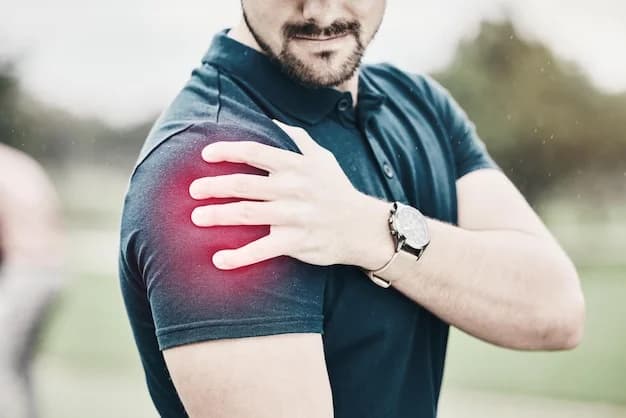
SLAP Tear (Superior Labrum Anterior to Posterior tear) is a common shoulder injury affecting the cartilage rim in Nanded patients. This injury involves the upper portion of the labrum where the biceps tendon attaches to the shoulder socket. Dr Sushil Rangdal specializes in advanced robotic and arthroscopic treatment of SLAP tears, providing comprehensive care from diagnosis to recovery.
Fraying of superior labrum with degenerative changes but no detachment, commonly seen in older patients
Complete detachment of superior labrum and biceps tendon from glenoid rim, most common type requiring surgical repair
Bucket-handle tear with torn labrum tissue caught in joint causing locking and popping sensations
Multiple factors can contribute to the development and progression of this condition.
SLAP Tear develops gradually. Recognising symptoms early gives you more treatment options.
From conservative to surgical — we always start with the least invasive option first.
A structured, patient-first approach from first visit to full recovery.
Dr Sushil Rangdal conducts thorough clinical examination, reviews imaging studies, and performs specialized tests to accurately diagnose the type and severity of SLAP tear
Based on patient age, activity level, and tear characteristics, Dr Rangdal develops a customized treatment plan ranging from conservative management to advanced robotic surgery
When surgery is indicated, Dr Rangdal utilizes state-of-the-art robotic-assisted arthroscopic techniques for precise SLAP repair with minimal tissue damage and optimal healing
Dr Rangdal oversees comprehensive post-treatment rehabilitation program with graduated exercises and regular monitoring to ensure complete recovery and return to activities
What to expect at each phase of recovery.
Protection phase with sling immobilization, gentle passive range of motion exercises, and pain management to allow tissue healing
Gradual introduction of active exercises, scapular strengthening, and rotator cuff rehabilitation while monitoring healing progress
Sport-specific training, advanced strengthening exercises, and careful progression back to full activities with ongoing monitoring
Significant reduction in shoulder pain and discomfort with improved quality of life and sleep
Recovery of shoulder strength, range of motion, and ability to perform overhead activities without limitation
Return to pre-injury athletic performance levels with improved shoulder stability and confidence
Durable repair with low recurrence rates and maintained shoulder joint integrity for years
Untreated SLAP tears can lead to chronic shoulder pain, progressive joint instability, and development of secondary conditions like rotator cuff tears or glenohumeral arthritis. Patients may experience persistent weakness, reduced range of motion, and inability to participate in sports or overhead activities, significantly impacting quality of life and functional capacity.
Seek immediate consultation with Dr Sushil Rangdal if you experience persistent shoulder pain lasting more than a few days, especially after trauma or during overhead activities. Early evaluation is crucial if you notice clicking, popping, or grinding sensations, shoulder weakness, or inability to lift your arm above your head, as prompt treatment can prevent progression and improve outcomes.
Early treatment means more options and better outcomes. Book a consultation to understand your condition and explore the right path forward.