Treated by Dr Sushil Rangdal
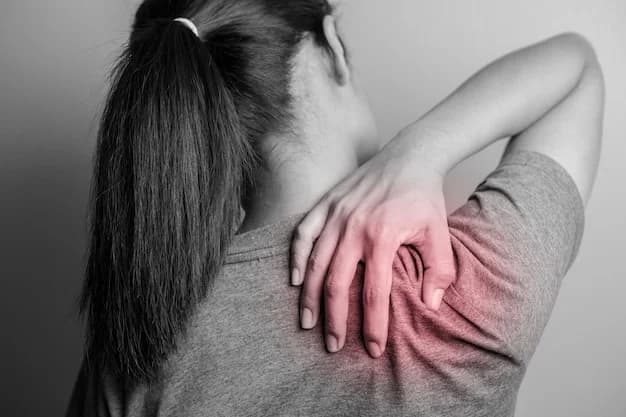
Shoulder Instability in Nanded occurs when the shoulder joint becomes unstable, causing recurrent dislocations or subluxations due to trauma, overuse, or structural defects. This condition significantly impacts daily activities and sports participation, requiring expert evaluation and treatment. Dr Sushil Rangdal provides comprehensive robotic orthopedic surgery solutions for shoulder instability restoration.
Most common type occurring after injury or dislocation, involving damage to the anterior labrum and capsule structures
Joint instability in multiple directions often associated with generalized ligament laxity and congenital factors
Less common form involving posterior capsule and labral tears, often seen in athletes and repetitive overhead activities
Multiple factors can contribute to the development and progression of this condition.
Shoulder Instability develops gradually. Recognising symptoms early gives you more treatment options.
From conservative to surgical — we always start with the least invasive option first.
A structured, patient-first approach from first visit to full recovery.
Dr Sushil Rangdal conducts detailed history, physical examination with specialized tests, and advanced imaging studies to accurately diagnose the type and severity of shoulder instability
Advanced robotic technology assists in precise surgical planning and execution, ensuring optimal implant positioning and improved surgical outcomes with minimal tissue damage
Utilizing state-of-the-art arthroscopic and robotic techniques, Dr Rangdal performs precise repairs with smaller incisions, reduced pain, and faster recovery times
Customized post-operative rehabilitation protocols designed specifically for each patient's needs, ensuring optimal recovery and return to full shoulder function
What to expect at each phase of recovery.
First 2-6 weeks focusing on wound healing, pain management, and gentle range of motion exercises while protecting the repair with sling immobilization
Weeks 6-12 involving gradual increase in range of motion, strengthening exercises, and proprioceptive training to restore shoulder function and stability
Months 3-6 focused on sport-specific training, advanced strengthening, and gradual return to full activities with ongoing monitoring and support
Over 90% of patients achieve excellent shoulder stability with significant reduction in dislocation episodes and improved confidence in daily activities
Substantial reduction in shoulder pain and discomfort, allowing patients to return to work, sports, and recreational activities without limitations
Enhanced shoulder range of motion, strength, and coordination enabling patients to perform overhead activities and sports with confidence
Excellent long-term outcomes with low recurrence rates and high patient satisfaction scores in both athletic and non-athletic populations
Untreated shoulder instability leads to recurrent dislocations, progressive joint damage, and development of arthritis. Chronic instability causes significant functional limitations, persistent pain, and may result in permanent shoulder weakness requiring more complex surgical interventions.
Seek immediate medical attention after shoulder dislocation or if experiencing recurrent shoulder instability episodes. Early consultation is crucial for patients with persistent shoulder pain, weakness, or feelings of instability during daily activities or sports participation.
Early treatment means more options and better outcomes. Book a consultation to understand your condition and explore the right path forward.