Treated by Dr Sushil Rangdal
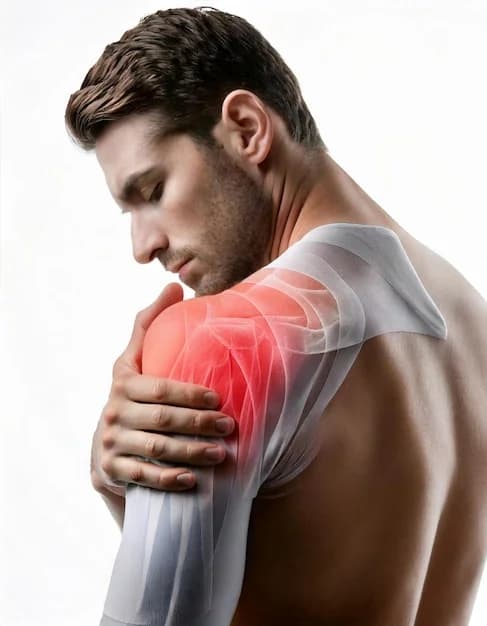
A rotator cuff tear in Nanded affects the group of muscles and tendons that stabilize the shoulder joint, causing pain and limited mobility. This degenerative condition commonly occurs with aging, repetitive overhead activities, or sudden injury. Dr Sushil Rangdal provides comprehensive robotic orthopedic treatment for optimal recovery outcomes.
Incomplete tearing of the rotator cuff tendon affecting only part of the tendon thickness, often causing localized pain and weakness
Complete disruption of the rotator cuff tendon extending through its entire thickness, resulting in significant functional impairment
Extensive tears involving multiple tendons or tears greater than 5cm, often requiring complex surgical reconstruction techniques
Multiple factors can contribute to the development and progression of this condition.
Rotator Cuff Tear develops gradually. Recognising symptoms early gives you more treatment options.
From conservative to surgical — we always start with the least invasive option first.
A structured, patient-first approach from first visit to full recovery.
Dr Sushil Rangdal conducts thorough clinical examination and advanced MRI imaging to determine tear size, location, and optimal treatment approach
Dr Rangdal develops individualized treatment strategies based on patient age, activity level, tear characteristics, and surgical candidacy
Dr Sushil Rangdal utilizes cutting-edge robotic technology for enhanced surgical precision and optimal tendon repair outcomes
Dr Rangdal implements comprehensive rehabilitation protocols with physical therapy guidance to ensure optimal healing and functional restoration
What to expect at each phase of recovery.
Shoulder immobilization with sling, gentle passive range of motion exercises, and wound care to promote initial healing
Gradual introduction of active assisted exercises, progressive strengthening, and restoration of normal shoulder mobility
Advanced strengthening exercises, return to functional activities, and sports-specific rehabilitation for complete recovery
Significant reduction in shoulder pain and improved comfort during daily activities and sleep
Recovery of shoulder strength and range of motion for normal daily activities and work tasks
Successful return to sports, recreational activities, and occupational demands without limitations
Durable repair with low re-tear rates and sustained functional improvements over time
Untreated rotator cuff tears typically worsen over time, leading to progressive muscle weakness, chronic pain, and shoulder arthritis. The tear may enlarge and become irreparable, resulting in permanent functional disability and the need for more complex procedures.
Consult Dr Sushil Rangdal if you experience persistent shoulder pain lasting more than a few days, weakness when lifting your arm, or inability to sleep on the affected shoulder. Early evaluation and treatment can prevent tear progression and preserve shoulder function.
Early treatment means more options and better outcomes. Book a consultation to understand your condition and explore the right path forward.